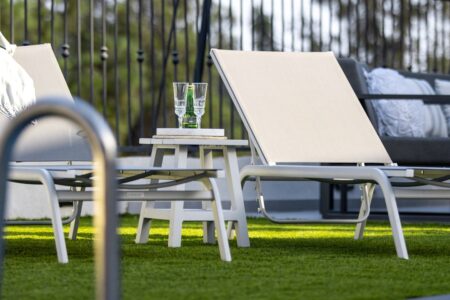
Transforming the exterior of your home can significantly enhance its curb appeal and overall value. Whether you are looking to create a serene outdoor oasis or a vibrant entertaining space, understanding the essential elements of exterior design is crucial. This article provides ten essential tips that will guide you through the process of achieving stunning exterior home makeovers that reflect your personal style and meet your functional needs.
1. Assess Your Space
Before diving into any design project, it is essential to assess your outdoor space thoroughly. Take note of the existing features, such as trees, shrubs, and structures, and consider how they can be integrated into your new design. Understanding the layout and dimensions of your yard will help you make informed decisions about what elements to include and how to arrange them for optimal flow and functionality.
Additionally, consider the climate and how it affects your outdoor space. For instance, if you live in a region with heavy rainfall, incorporating water features like ponds or fountains can enhance the aesthetic while managing water runoff. By assessing your space, you can create a design that not only looks great but also works well with the natural environment.
2. Define Your Style
Having a clear vision of your desired style is crucial for a cohesive exterior makeover. Whether you prefer a modern, minimalist look or a more traditional, rustic charm, defining your style will guide your choices in materials, colors, and landscaping. Take inspiration from various sources, such as magazines, websites, or even your favorite neighborhoods, to pinpoint what resonates with you.
Once you have a defined style, it becomes easier to select elements that complement each other. For example, if you lean towards a contemporary aesthetic, consider sleek patio designs and geometric garden layouts. On the other hand, if you prefer a classic look, opt for brick walkways and lush flower beds. A well-defined style ensures that every aspect of your exterior makeover works harmoniously together.
3. Incorporate Water Features
Water features can add a tranquil element to your outdoor space, creating a soothing atmosphere that enhances relaxation. Options range from simple birdbaths to elaborate ponds or fountains, each offering unique benefits. Not only do they serve as focal points, but they also attract wildlife, providing a lively backdrop to your garden.
When incorporating water features, consider their placement carefully. A fountain near a seating area can create a peaceful ambiance, while a pond can serve as a habitat for fish and plants. Additionally, ensure that the design of the water feature aligns with your overall style, whether it be modern or traditional, to maintain a cohesive look throughout your exterior space.
4. Plan for Outdoor Lighting
Outdoor lighting is an essential aspect of any exterior makeover, as it enhances safety and extends the usability of your outdoor spaces into the evening. Thoughtfully placed lighting can highlight architectural features, illuminate pathways, and create a warm, inviting atmosphere for gatherings. Consider using a mix of ambient, task, and accent lighting to achieve a well-rounded effect.
When planning your lighting, think about the areas you want to illuminate most. Pathway lights can guide guests safely to your front door, while string lights can add a festive touch to patios or decks. Additionally, solar-powered lights are an eco-friendly option that can save on energy costs while still providing ample illumination. A well-lit exterior not only enhances aesthetics but also increases safety and security.
5. Choose Quality Materials
The materials you choose for your exterior makeover can significantly impact both the look and longevity of your project. Investing in high-quality materials ensures that your outdoor space withstands the elements and maintains its beauty over time. Whether you are selecting decking, siding, or landscaping materials, prioritize durability and maintenance requirements.
For example, composite decking offers the beauty of wood without the upkeep, while natural stone walkways provide a timeless appeal. Additionally, consider the environmental impact of your material choices. Sustainable options, such as reclaimed wood or permeable pavers, can enhance your design while being mindful of the planet. Quality materials not only elevate the aesthetic but also contribute to the overall value of your home.
Step-by-step plan:
Step 1: Assess your outdoor space and identify existing features. Step 2: Define your desired style to guide your design choices. Step 3: Incorporate water features for tranquility and wildlife attraction. Step 4: Plan for outdoor lighting to enhance safety and ambiance.